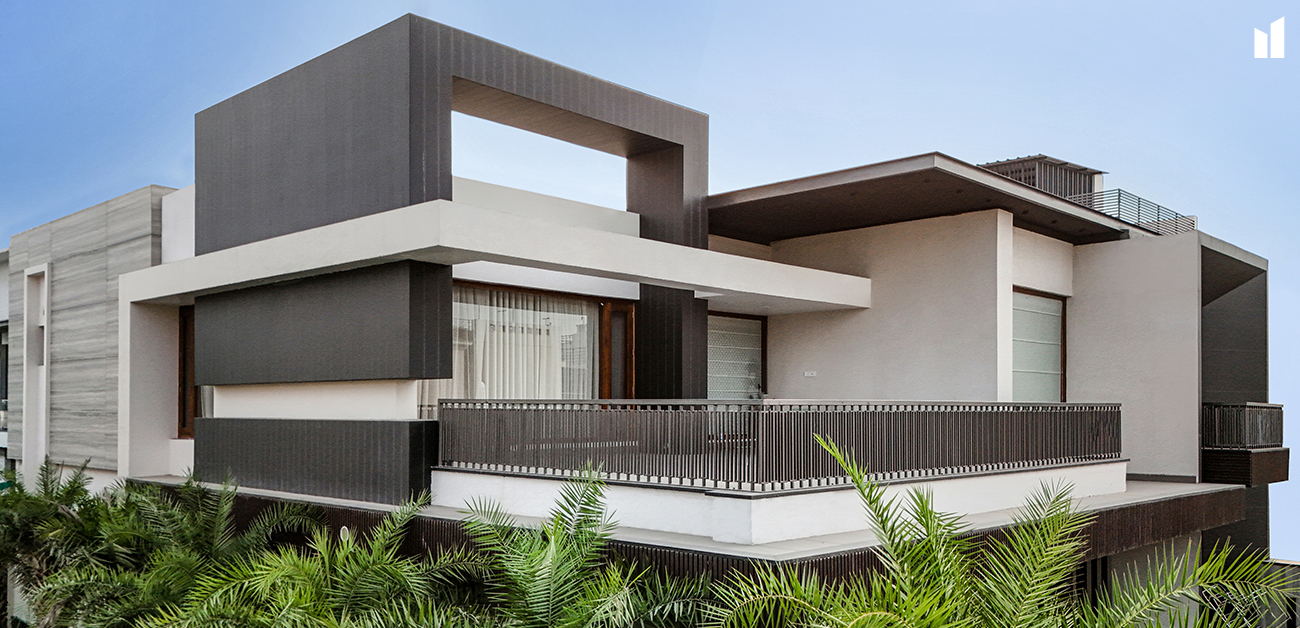
What Is Cladding and Why Is It Essential for Modern Buildings?
In the world of architecture and construction, cladding plays a vital role in both the structural performance and the visual appeal of modern buildings. As urban landscapes continue to evolve, the demand for efficient, aesthetic, and sustainable construction materials has significantly increased. Cladding has emerged as a key component that addresses these requirements, making it an essential feature in contemporary building design.
What Is Cladding?
Cladding refers to the application of one material over another to provide a skin or layer that protects, insulates, and enhances the building structure. It is most commonly used on external walls but is also applied in interior design for aesthetic finishes. Cladding serves as a protective layer that shields a building from the elements, including wind, rain, sunlight, and temperature fluctuations.
Unlike structural elements, cladding is not load-bearing. However, it adds considerable value to the building by contributing to weather resistance, thermal insulation, and visual identity.
Types of Cladding Materials
There is a wide range of cladding materials available on the market, each with its unique properties and advantages. Some of the most popular types include:
- uPVC Cladding: Lightweight, low-maintenance, and durable, uPVC is a top choice for modern residential and commercial projects. See more uPVC cladding options here
- Composite Cladding: Combines plastic and wood fibres to deliver a natural look with added strength and weather resistance.
- Metal Cladding: Aluminum, steel, and zinc offer a sleek, industrial finish and high durability.
- Timber Cladding: A natural and eco-friendly choice, timber creates a warm and traditional appearance.
- Brick Slip Cladding: Offers the look of traditional brickwork without the associated weight and installation time.
Why Is Cladding Essential?
Cladding is essential for several reasons, especially in the context of modern architecture and sustainable development.
1. Protection Against Weather Conditions
One of the main functions of cladding is to protect the building envelope from environmental factors such as rain, wind, snow, and UV radiation. It prevents moisture penetration, reducing the risk of mold, mildew, and structural decay.
2. Improved Thermal Performance
Cladding enhances a building’s thermal insulation by creating an additional layer that helps maintain interior temperatures. This results in energy savings and greater comfort for occupants.
3. Aesthetic Enhancement
Cladding significantly transforms the look of a building. With various textures, colors, and patterns available, it allows architects and designers to achieve modern, sleek, or traditional styles that align with the building’s function and identity.
4. Noise Reduction
Especially in urban or industrial areas, cladding helps reduce external noise, creating quieter indoor environments. Some cladding systems are specifically designed for acoustic performance.
5. Low Maintenance and Durability
Modern cladding materials such as uPVC are highly resistant to corrosion, insects, and decay. They require minimal maintenance compared to painted surfaces, saving time and money over the lifespan of the building.
Applications of Cladding
Cladding is used across a wide spectrum of building types and industries:
- Residential homes: For improved curb appeal and insulation.
- Commercial buildings: To reinforce branding and performance standards.
- Industrial facilities: Offering durable protection in harsh environments.
- Public buildings: Enhancing appearance while complying with safety standards.
Whether you’re constructing a new property or upgrading an existing one, incorporating cladding can provide both functional and aesthetic improvements that last.
Cladding is more than just an exterior finish – it’s a multifunctional solution that enhances a building’s resilience, efficiency, and style. As construction trends continue to shift toward sustainable and energy-efficient practices, cladding will remain a crucial element in architectural design.
If you’re looking for high-quality cladding products, explore a wide range of options from NECS Plastics, where durability meets design excellence.