
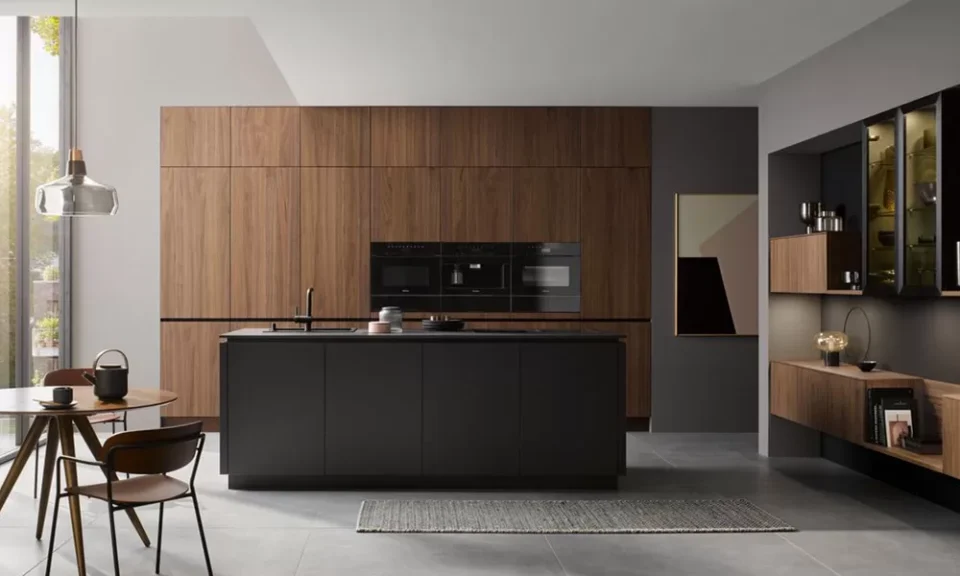
If you’re exploring modern kitchen ideas and asking yourself Dekton or Quartz: which is better?, you’re not alone. As homeowners embrace clean lines, functional materials, and timeless finishes, countertop selection has become a major design decision. And if you’re planning a full kitchen transformation, making the right choice early on is essential.
Here’s a step-by-step guide to help you choose the best surface for your kitchen—based on performance, design intent, and long-term value.
Step 1: Understand the Material Basics
- Quartz is an engineered stone made from natural quartz crystals and resin. It’s non-porous, stain-resistant, and available in a wide range of styles.
- Dekton is an ultra-compact surface made from a blend of quartz, porcelain, and glass, sintered together under extreme heat and pressure. It’s heat-, UV-, and scratch-resistant.
Step 2: Define Your Design Goals
For a modern kitchen, ask:
- Do you want a minimalist, monolithic look with thin profiles? → Dekton excels here.
- Do you prefer a softer, more natural appearance with veining? → Quartz is the better fit.
Your kitchen’s overall tone—sleek and sculptural vs. warm and classic—will help guide this choice.
Step 3: Evaluate Performance Requirements
| Performance Factor | Quartz | Dekton |
| Heat Resistance | Moderate | High |
| Scratch Resistance | High | Very High |
| UV Resistance | Low | High |
| Color Range | Wide | Moderate |
| Fabrication Flexibility | Easier | Requires Expertise |
If you cook often and need durability, Dekton offers technical advantages. If your priority is low-maintenance beauty and style variety, quartz remains a top performer.

Step 4: Consider Installation Complexity
- Quartz is widely available and easier to fabricate, making it suitable for most remodel timelines.
- Dekton requires skilled installers with specialized tools due to its density and brittleness during cutting. Ensure your contractor is Dekton-certified if you choose this route.
Step 5: Review Cost Expectations
While prices vary, typical installed costs are:
- Quartz: $70–$120 per sq. ft.
- Dekton: $90–$130 per sq. ft.
Dekton may carry a higher labor fee due to installation demands. Consider your budget along with your design goals.
Final Word
So, Dekton or Quartz: which is better? The answer depends on your priorities. For cutting-edge design and unmatched durability, Dekton leads. For versatile aesthetics and straightforward fabrication, quartz is often the better choice.
Either way, when thoughtfully integrated into a cohesive vision, both can elevate your kitchen transformation from functional to flawless.
