
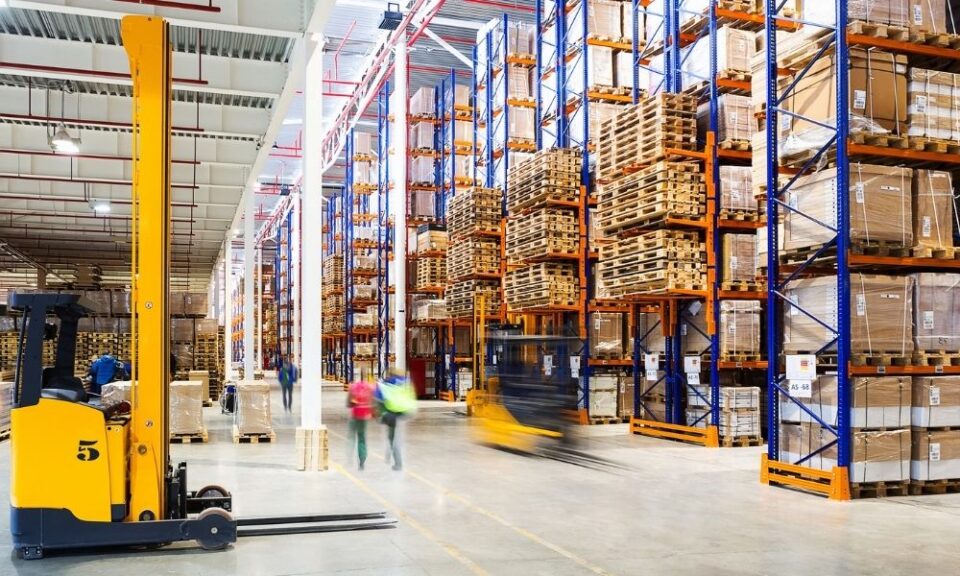
How a warehouse is designed can make the difference between a successful and unsuccessful business that ships goods. If warehouses are set up correctly, workers can move more quickly, locate anything easily and ensure all goods are safe. Having the proper layout turns a regular building into an effective tool for lowering costs and increasing speed. According to studies, a well-designed warehouse can make picking items almost 30% faster and use more space effectively by 25%. This helps reduce costs and ensures you meet your customers’ goals for fast deliveries, allowing you to stay ahead of rivals.
First, Decide What You Need to Learn
Consider the products and supplies that will be in the warehouse before making plans:
- What goods will you be placing in your inventory?
- How much do they weigh?
- How many times do they come in and go out?
The strength of the floor and the height of the walls are determined by your replies. Choose to put fast-moving items near where you will be packing, while the slow movers can be at the back of the storage area.
How to Get the Most Out of Your Home
Instead of concentrating on the outside world, try to look up
If you use taller shelves, you can gain lots of extra storage at the same size building. A full modern rack can be built up to 40 feet high as long as it uses the correct equipment.
Make a Plan for a Smooth Journey
There should be defined routes for workers to use. The major walkways are intended for forklifts and people often use the smaller ones for picking up products.
Streamlining Team Activities
The Movement of Flow
Movement in your warehouse needs to be efficiently organized. These patterns are used in many successful designs:
- Straight-line — goods are shifted from one station to the other
- The flow of goods is the same for both entering and exiting the warehouse
- Some schools organize areas for learning various tasks
Choosing the perfect model is influenced by the shape of your building and how you use it daily.
Ensuring the Health and Happiness of Workers
Smart design is the first step toward making any place safe:
- There should be uniform lighting across the space.
- Ensure there are non-slip floors in locations that might get moist.
- You should be able to spot clearly labeled sections for dangers and exits.
- Working on comfortable heights to avoid unnecessary back problems.
When workers are comfortable, they handle their tasks better and get them done faster.
Focused on Tomorrow
Your needs will progress as your business progresses. Elements of good designs are:
- Shelving that is designed to be moved and positioned differently
- Extra electric sockets will be installed ahead of new technology being used.
- Some parts of the house can be used for different purposes when needed.
- Areas that can be made wider during events
Technologies That Help Us Have A Lighter Life
The best warehouses take advantage of current technology:
- Some inventory keeping software automatically updates its records.
- Barcode scanners help to avoid wrong selections
- There ought to be tablets that indicate the proper places for items.
- Software that aids daily accomplishments
The Reason This Matters
A logical warehouse design can help businesses perform much better in today’s competitive market. If products get to the shipping dock smoothly, customers get their supplies faster and there are fewer handling expenses for the company. Sometimes, even subtle changes in the design can lead to real savings in the future. If you are creating a new warehouse or upgrading your old one, planning the layout carefully is a great move.
